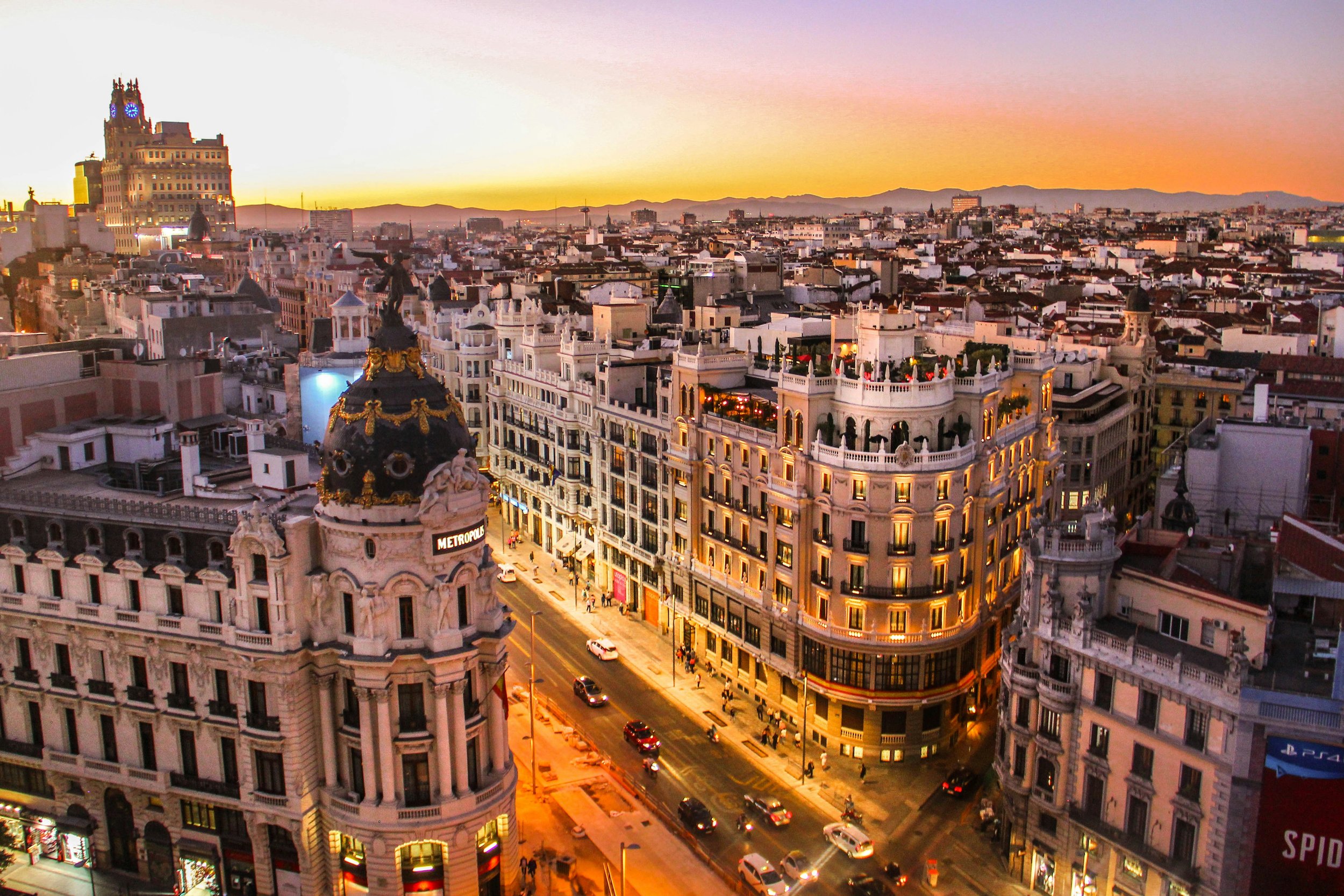
Barcelona, Spain
A brief cultural orientation from Segment International to help you understand the city, the people, and the mindset you’re stepping into before research begins.
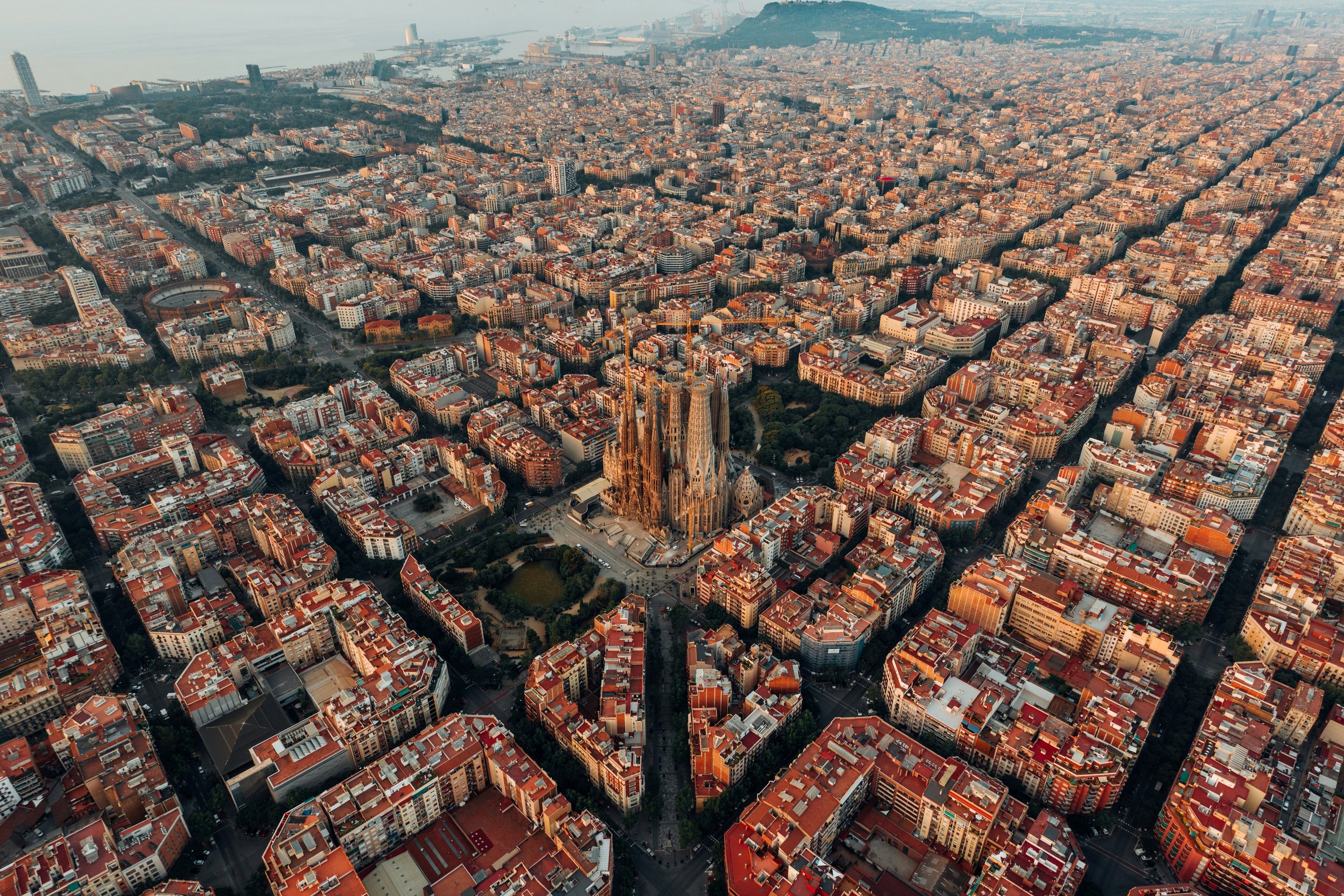
Barcelona is one of Europe’s oldest cities, shaped by Romans, medieval merchants, modernist artists, and a fiercely independent Catalan identity.
You feel this immediately in the streets: Gothic alleys next to geometric boulevards, centuries-old markets beside avant-garde design. The city was radically redesigned in the 1800s with the Eixample grid to bring light, air, and dignity to everyday life — a design decision that still defines how people move, gather, and live today.
Barcelona is also the heart of Catalonia, a region with its own language, traditions, and strong sense of cultural pride. This independence of spirit shows up in how people think, create, and relate to authority, brands, and institutions.
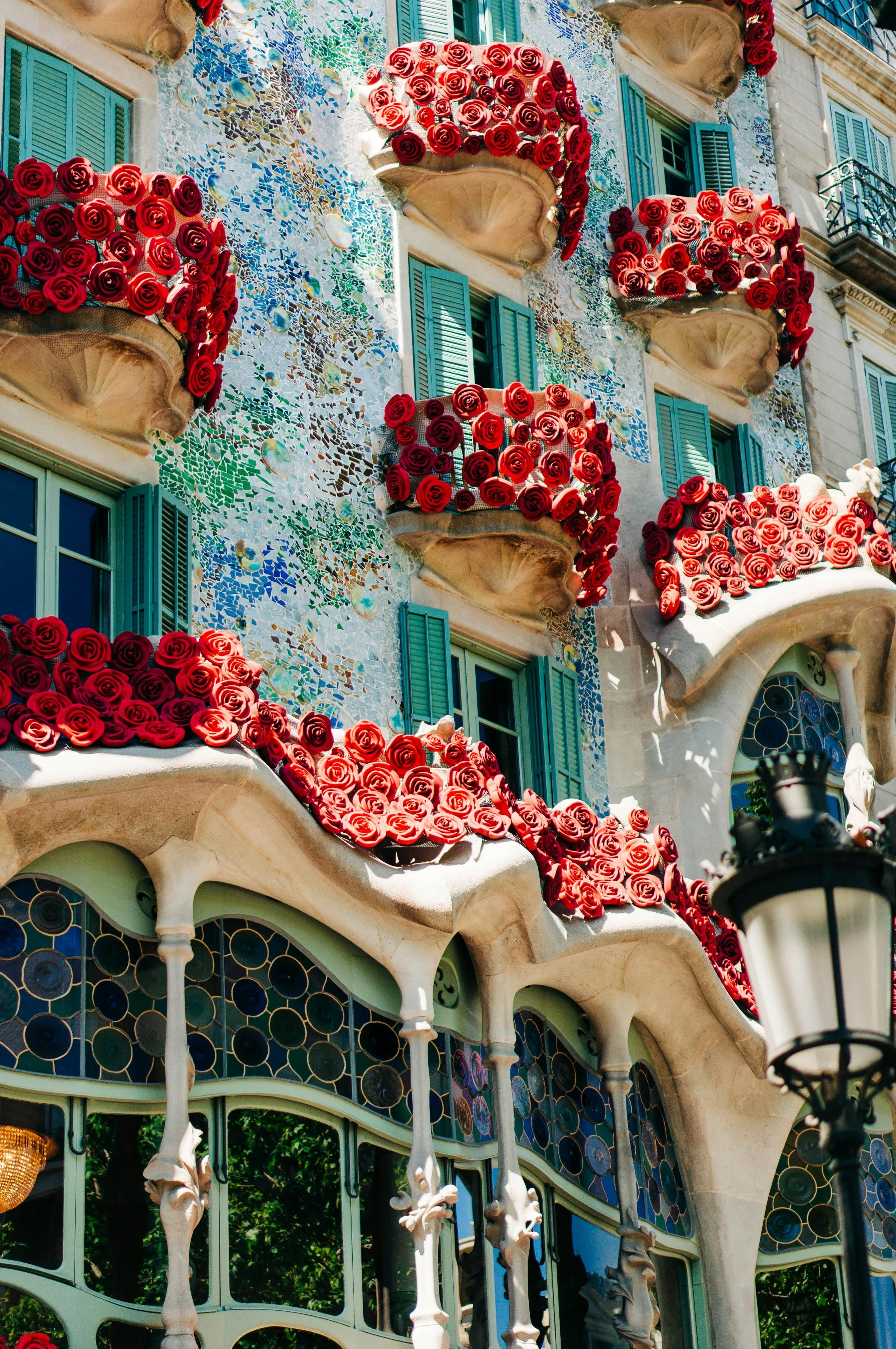
Perhaps most importantly, Barcelona has long been a city of artists, architects, and thinkers — from Gaudí’s organic forms to a culture that values beauty, conversation, and quality of life over speed or efficiency.
This is why Barcelona feels human, expressive, design-led, and socially oriented.
And this is why consumers here respond the way they do.
History
Welcome to Barcelona, Spain - The City You’re Walking Into
The pace, personality, and social rhythm of a city that values presence over speed.
Good to know…
Barcelona is not fast. It is not loud. It is not transactional.
It is social, rhythmic, design-forward, and deeply human.
If you arrive in a hurry, you will miss the culture.
Barcelona runs on conversation, pauses, food, light, and time spent together. This shapes how people think, shop, decide, and speak in research.
Did you know…
Antoni Gaudí designed buildings so organic they feel grown, not built — and the Sagrada Família is still under construction 140+ years later.
A teenage Pablo Picasso studied and developed his early style here; the city shaped his artistic voice.
The city’s iconic grid, Eixample, was engineered with cut corners so horse carriages (now taxis) could turn easily and sunlight could reach every home.
One of the world’s most famous football clubs, FC Barcelona, is a symbol of Catalan identity as much as sport.
Locals don’t shop weekly — they shop daily at neighborhood markets like La Boqueria for fresh ingredients.
The tradition of building human towers, castellers, started in Catalonia and represents trust, balance, and community.
The Social Fabric of Everyday Life
Daily rituals, food, family, and social habits that quietly shape consumer mindset.
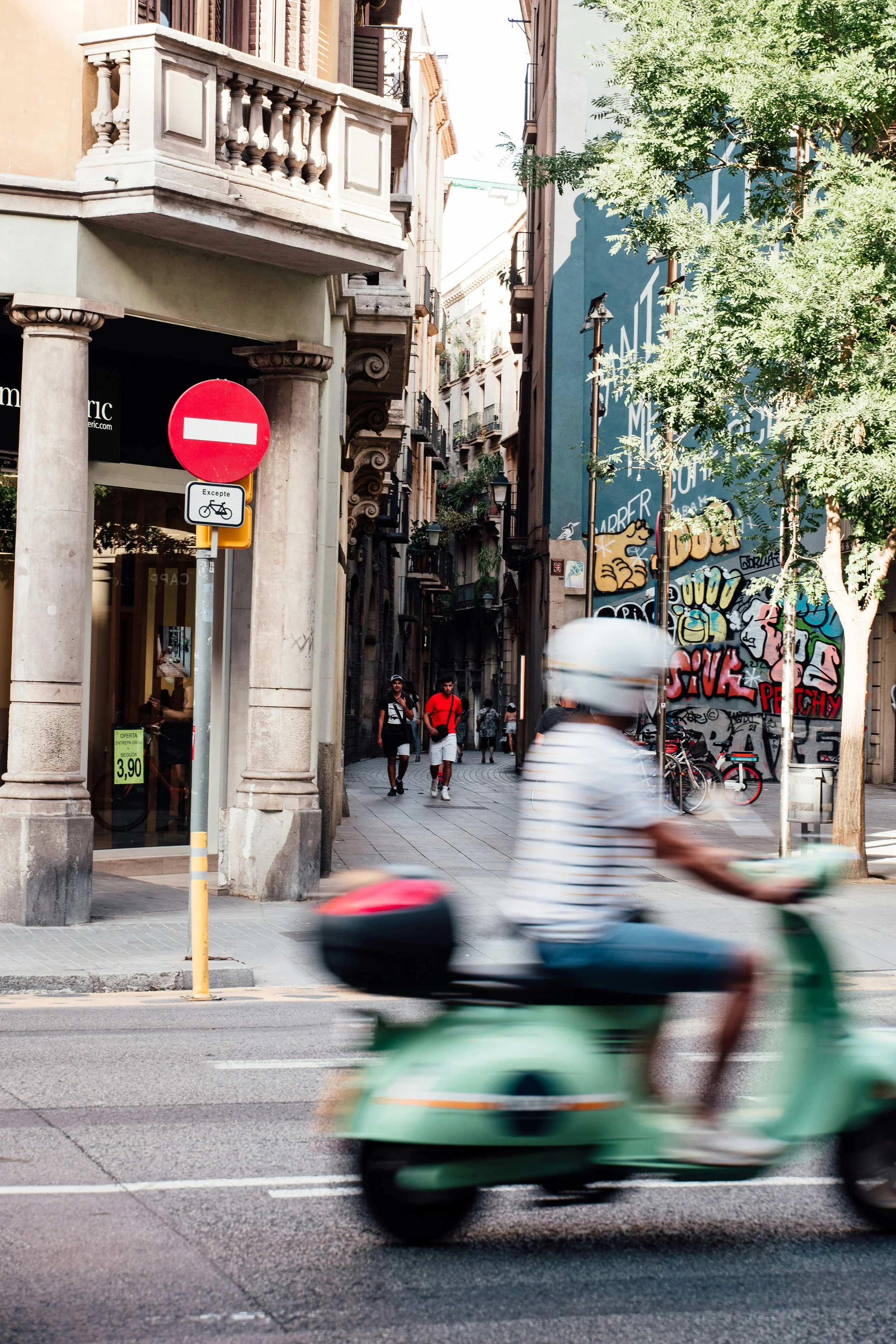
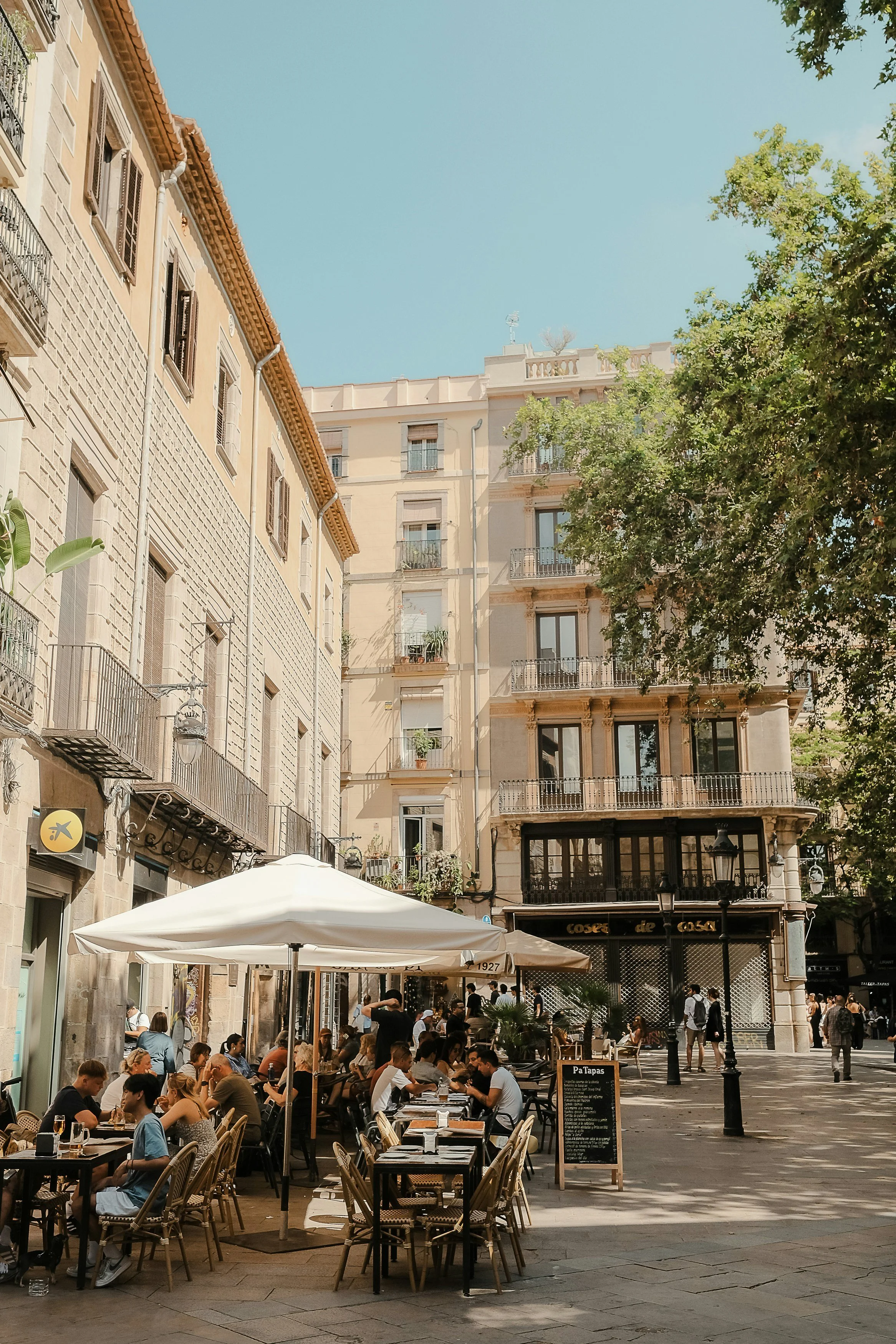
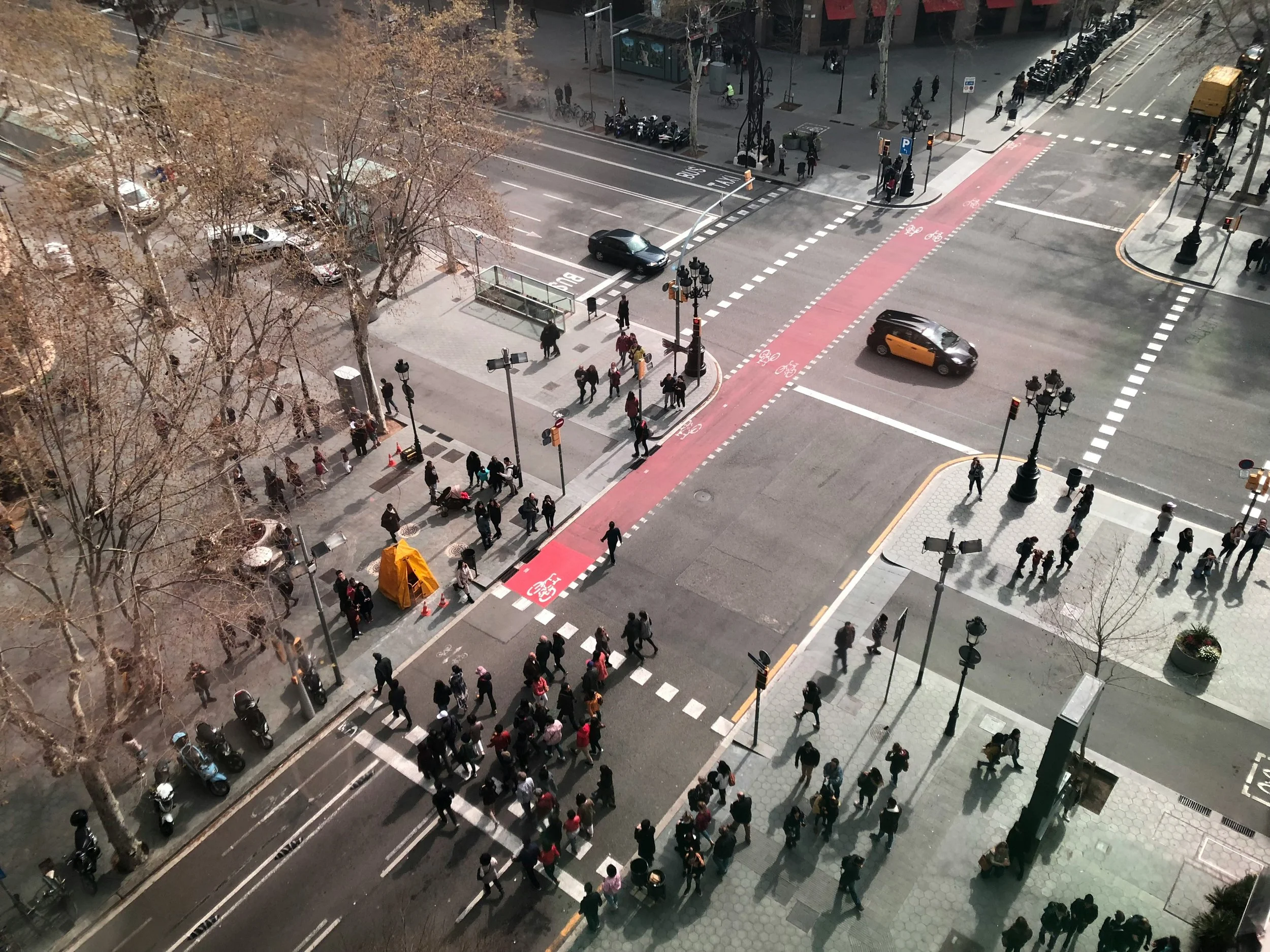
Daily life revolves around:
Coffee standing at a bar, not rushing with a to-go cup
Markets, fresh food, daily shopping
The paseo — an evening walk with no destination
Long meals that are social experiences, not refueling stops
Family proximity across generations
Consumers here are accustomed to slower decision cycles, deeper consideration, and social influence.
The Culture of Work & Relationships
Relationship-first work culture where trust, creativity, and conversation matter more than urgency.
Work culture in Barcelona:
Relationship-first, task-second
Informal tone, even in professional settings
Lunch is long and often outside the office
Time is flexible; trust matters more than speed
Creativity and design thinking are highly valued
What may feel “slow” to a U.S. visitor is considered thoughtful here.
Savoring the City - Food, Space, &Atmosphere
How to experience Barcelona through the meals, markets, cafés, and gathering places that locals love.
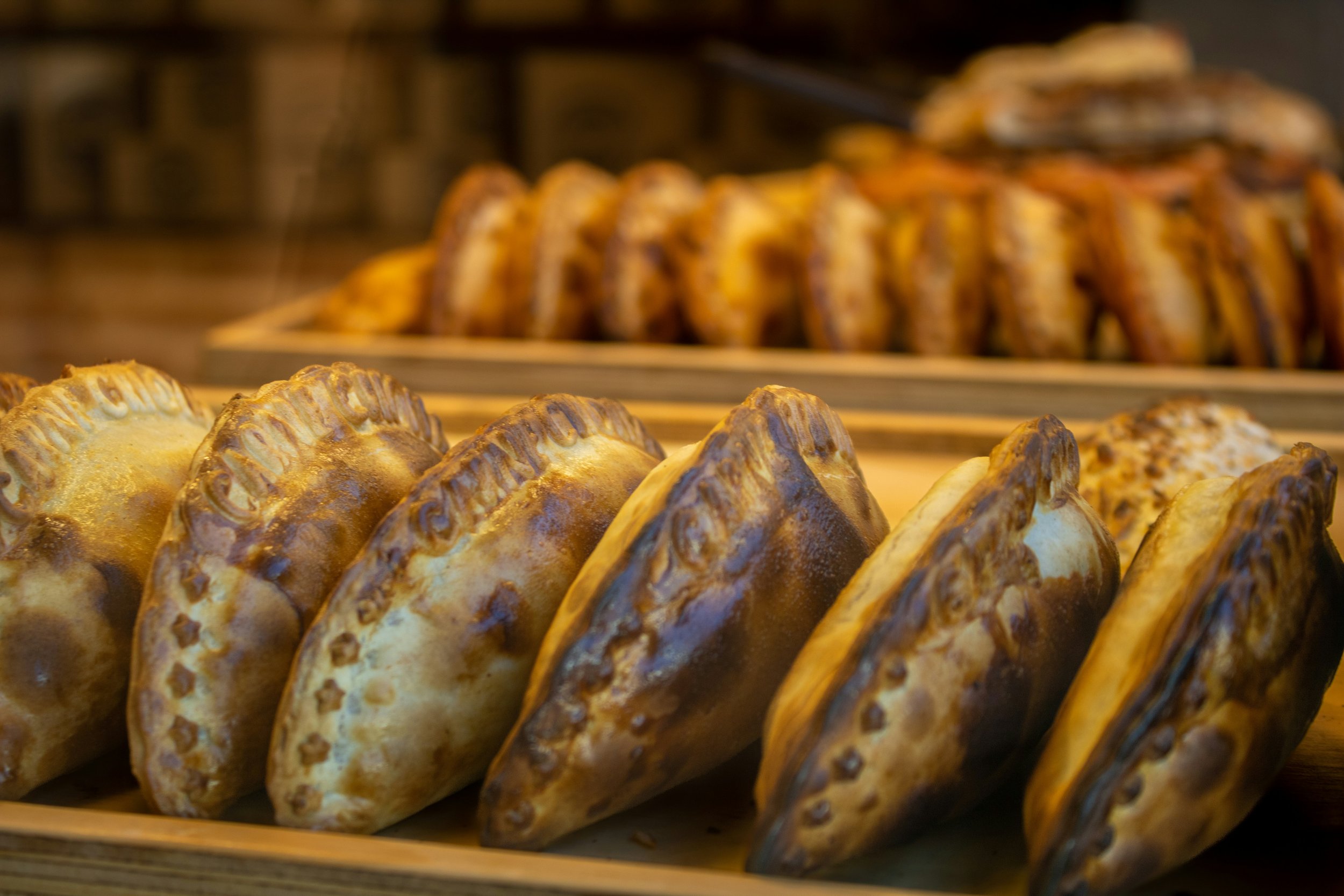
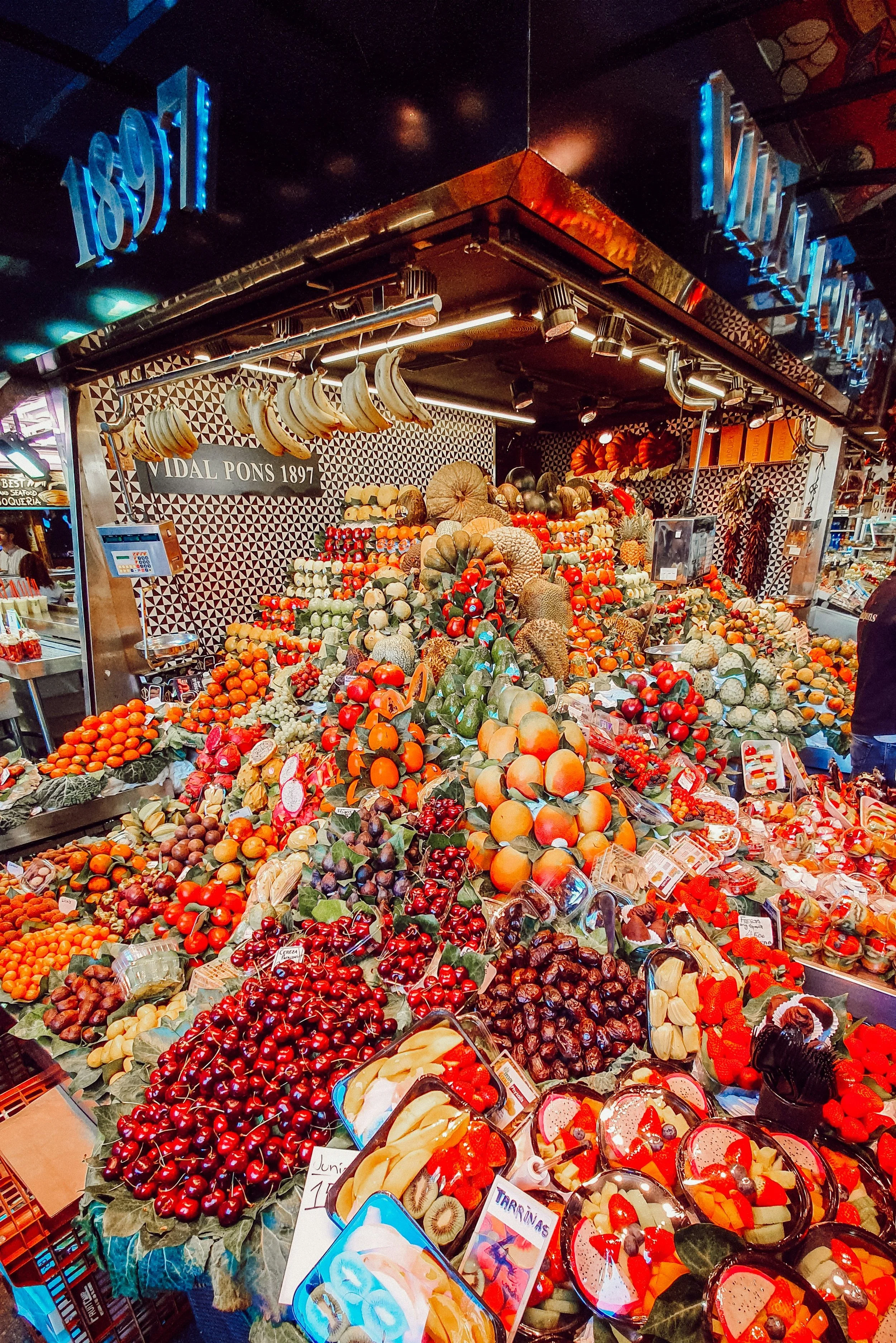
Barcelona is best understood at a table, at a market stall, or standing at a café bar.
Food here is not fuel. It is social life, daily ritual, and cultural expression.
A few local experiences to look for between sessions:
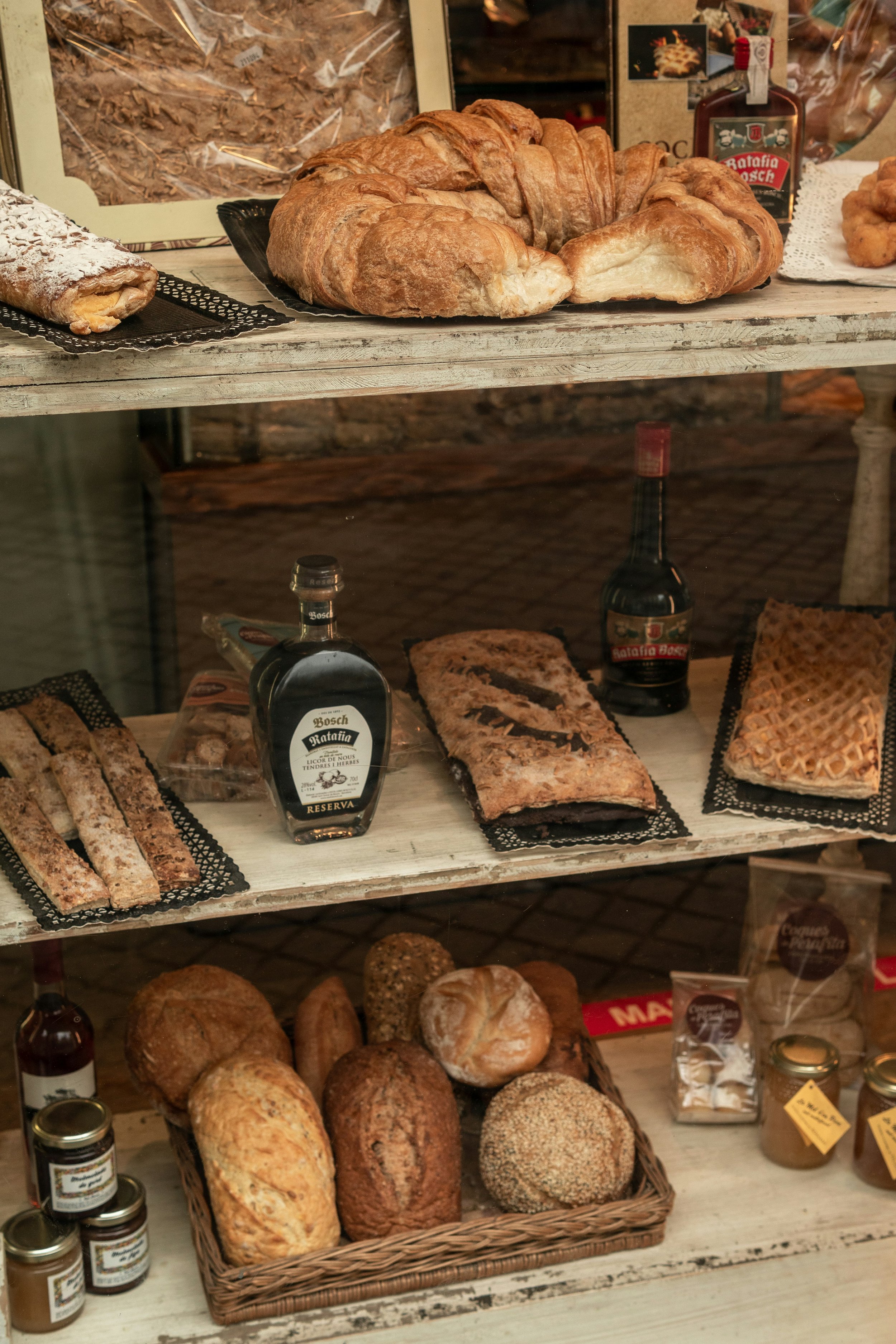
Pan con tomate (bread with tomato, olive oil, salt) — a daily staple in Catalan homes
Tapas culture — sharing small plates meant for conversation, not efficiency
Vermouth hour — a pre-lunch social ritual on sunny terraces
Market shopping at places like neighborhood mercados for fresh seafood, produce, and jamón
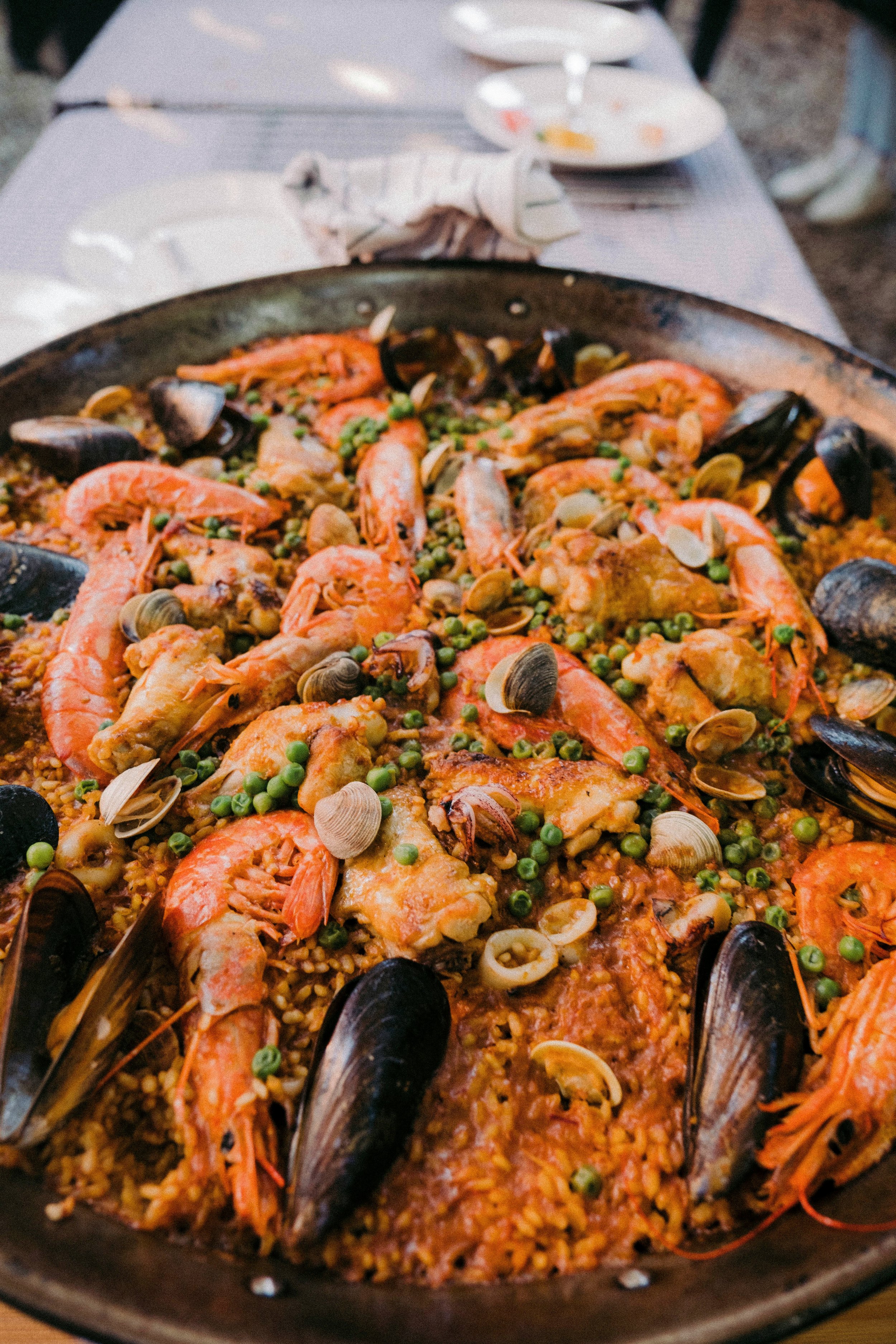
Paella and fideuà near the sea, where meals stretch for hours
Crema catalana for dessert — Barcelona’s answer to crème brûlée
Morning espresso at the bar, shoulder to shoulder with locals
Long outdoor lunches that blur into afternoon conversation
You don’t need a reservation at a famous restaurant to experience Barcelona well.
A neighborhood café, a busy market, or a sunny terrace often tells you more about the city than any landmark.
Cultural Courtesies
Small social norms that make a big difference in feeling comfortable and respectful in Barcelona.
Helpful norms:
Greeting with dos besos (two cheek kisses) is common socially
Dinner rarely starts before 8:30–9:30pm
Tipping is minimal; rounding up is fine
Don’t rush servers
Dress is effortlessly stylish
Stand to drink coffee at the bar like locals
Listening With Context
How Barcelona’s cultural context helps shapes what you will hear, see, and interpret in sessions.
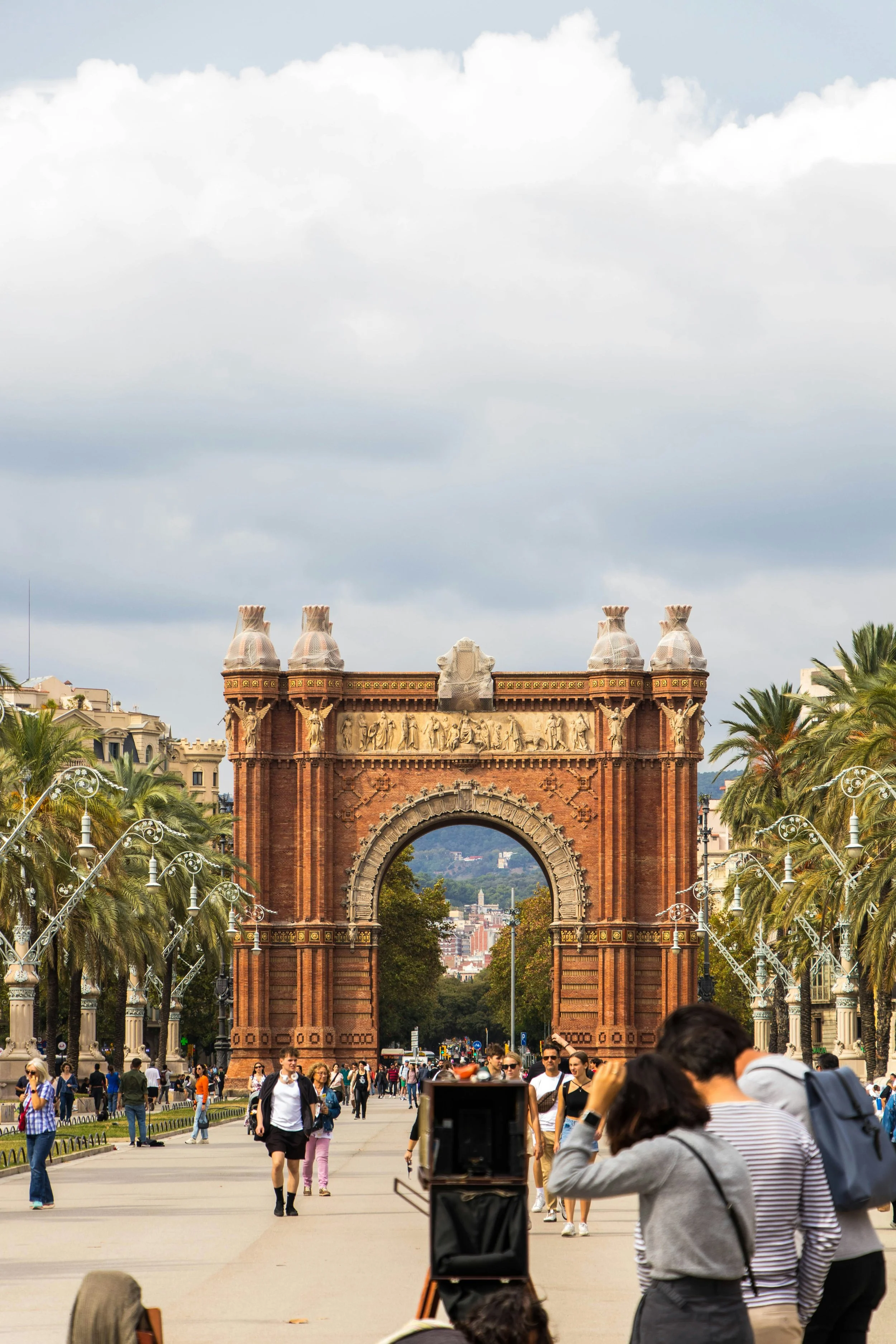
In Barcelona sessions, you may notice:
Participants may speak in stories, not bullet points
Pauses are normal and thoughtful
Politeness may mask disagreement
Enthusiasm may be subtle, not loud
Decisions may be framed around lifestyle, not efficiency
Social and aesthetic considerations may influence choices
We’re grateful to partner with you in this market. Cultural understanding is at the heart of meaningful insights. As you step into this city, we hope this orientation helps you see not just what participants say, but the world they live in that shapes those words.
the Segment International Global Collective Team